


 Talkfever App
 Global Talk
 Upcoming
 child-safety
 Vdo Junction
Indian Food Products Export to Middle East: A Growing Trade Opportunity
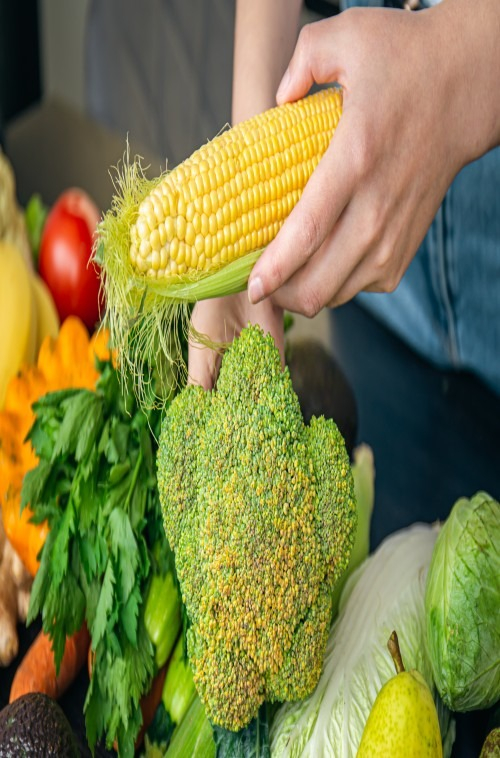
The global food trade has witnessed remarkable growth over the last decade, and one of the strongest trade relationships has emerged between India and the Middle East. The Indian food products export to Middle East market has expanded rapidly due to rising demand for quality food, cultural similarities, and India’s strong agricultural base. From staples like rice and spices to processed and ready-to-eat foods, Indian food products have secured a trusted position across Middle Eastern countries.
With increasing population, high import dependency, and a preference for diverse cuisines, the Middle East continues to be a promising destination for Indian food exporters.
Why the Middle East is a Key Market for Indian Food Exports
The Middle East is one of the world’s largest food-importing regions. Limited arable land, water scarcity, and extreme climatic conditions make many Middle Eastern countries heavily dependent on food imports. India, with its vast agricultural resources and competitive pricing, has emerged as a natural trade partner.
Another major reason behind the success of Indian food products in the Middle East is the large Indian diaspora residing in countries such as the UAE, Saudi Arabia, Oman, Kuwait, and Qatar. This population creates steady demand for traditional Indian food items, while also introducing Indian flavors to local and international consumers.
Additionally, Indian food products meet halal requirements and align well with regional taste preferences, making them widely accepted in Middle Eastern markets.
Major Indian Food Products Exported to the Middle East
India exports a wide range of food products to the Middle East, covering both raw agricultural commodities and value-added processed foods.
Rice and Grains
Rice remains one of the most significant contributors to Indian food exports to the Middle East. Basmati rice, in particular, is highly popular due to its aroma, long grains, and superior quality. Apart from basmati, non-basmati rice varieties, wheat, maize, and millets are also exported in large volumes.
Grains and cereals are essential food staples across Middle Eastern households, restaurants, and hotels, making them a stable export category.
Spices and Condiments
India is globally recognized as the land of spices, and Middle Eastern cuisine heavily relies on aromatic spices. Products such as turmeric, cumin, coriander, chili, cardamom, cloves, and spice blends are in constant demand.
Indian spice exporters benefit from consistent quality, strong supply chains, and the ability to offer both whole and powdered spices. These products are used in households, food processing industries, and commercial kitchens across the region.
Pulses and Lentils
Pulses and lentils are essential protein sources, especially in vegetarian and health-focused diets. Chickpeas, lentils, pigeon peas, and kidney beans are among the most exported pulse varieties from India to the Middle East.
With growing health awareness and plant-based dietary trends, the demand for Indian pulses continues to rise steadily.
Processed and Packaged Food Products
The Middle Eastern market has seen a significant shift toward convenience foods. Indian exporters are capitalizing on this trend by supplying ready-to-eat meals, frozen foods, snacks, instant mixes, sauces, and pickles.
Products such as Indian sweets, namkeens, instant curries, and spice pastes are increasingly popular among both Indian expatriates and local consumers seeking authentic flavors.
Tea, Coffee, and Beverages
Indian tea, particularly Assam and Darjeeling varieties, enjoys a strong reputation in Middle Eastern countries. Tea consumption is deeply rooted in social culture across the region. India also exports coffee, herbal teas, and flavored beverage mixes to meet evolving consumer preferences.
Fruits, Vegetables, and Food Ingredients
Fresh fruits like mangoes, bananas, pomegranates, and grapes are exported seasonally. In addition, dehydrated vegetables, fruit pulps, and food ingredients such as starches and flours are widely used by food manufacturers in the Middle East.
Key Middle Eastern Countries Importing Indian Food Products
Several Middle Eastern countries serve as major import destinations for Indian food products.
The United Arab Emirates acts as both a consumption hub and a re-export center, distributing Indian food products across the Gulf region and Africa. Saudi Arabia is another significant market due to its large population and high food consumption rate.
Countries like Oman, Qatar, Kuwait, and Bahrain import substantial volumes of Indian rice, spices, snacks, and processed foods. Even countries such as Jordan, Iraq, and Yemen are increasingly sourcing food products from India due to competitive pricing and reliable supply.
Quality Standards and Compliance
One of the most critical factors in the success of Indian food products export to Middle East is compliance with quality and safety standards. Middle Eastern countries have strict regulations related to food safety, labeling, packaging, and shelf life.
Indian exporters must ensure adherence to halal certification requirements, proper ingredient labeling, and high hygiene standards during processing and packaging. Certifications such as ISO, HACCP, and FSSAI play an important role in building trust with Middle Eastern buyers.
Meeting these standards not only ensures smooth customs clearance but also enhances brand credibility and long-term business relationships.
Role of Logistics and Supply Chain
Efficient logistics play a crucial role in exporting food products to the Middle East. Proximity between India and the Middle East allows shorter shipping times compared to other global suppliers. Major Indian ports are well connected to Gulf ports through regular shipping routes.
Temperature-controlled storage, proper packaging, and timely delivery are essential, especially for perishable and processed food items. Indian exporters who invest in strong supply chain management gain a competitive advantage in maintaining product freshness and consistency.
Growing Demand for Organic and Health Foods
Health-conscious consumers in the Middle East are increasingly seeking organic, gluten-free, and natural food products. India has started catering to this niche demand by exporting organic grains, spices, herbal products, and plant-based foods.
Ayurvedic and wellness-focused food items are also gaining traction, creating new opportunities for Indian exporters willing to innovate and diversify their product offerings.
Government Support and Trade Initiatives
The Indian government actively supports food exports through policy initiatives, export promotion councils, and financial incentives. Schemes that improve agricultural productivity, processing infrastructure, and export logistics have helped Indian food exporters scale their operations.
Trade agreements and strong diplomatic ties between India and Middle Eastern countries further facilitate smoother trade flows. Participation in international food exhibitions and trade fairs has also increased the visibility of Indian food brands in global markets.
Challenges in Exporting Indian Food Products
Despite strong growth, exporters face challenges such as fluctuating commodity prices, changing import regulations, and intense competition from other exporting nations. Currency fluctuations and rising freight costs can also impact profitability.
However, exporters who focus on quality, compliance, branding, and long-term partnerships are better positioned to overcome these challenges and sustain growth in the Middle Eastern market.
Future Outlook of Indian Food Products Export to Middle East
The future of Indian food products export to Middle East looks highly promising. Population growth, urbanization, tourism expansion, and rising disposable incomes will continue to drive food imports in the region.
Indian exporters who invest in product innovation, value-added foods, sustainable packaging, and digital marketing will find significant opportunities for expansion. With the growing acceptance of Indian cuisine and food quality, the Middle East is set to remain one of the most lucrative export destinations for India’s food industry.
Conclusion
The Indian food products export to Middle East represents a strong and evolving trade relationship built on quality, trust, and cultural compatibility. From staple foods to modern processed products, India has successfully positioned itself as a reliable food supplier for the region.
As demand continues to rise and consumer preferences evolve, Indian exporters who prioritize quality standards, efficient logistics, and market-specific strategies will continue to thrive. The Middle East offers not just a market, but a long-term growth partnership for India’s dynamic food export industry.
 Spanish
 English
 Arabic
 French
 Portuguese
 Deutsch
 Turkish
 Dutch
Dutch
 Italiano
 Russian
 Romaian
 Portuguese (Brazil)
 Greek
Greek
