


 Talkfever App
 Global Talk
 Upcoming
 child-safety
 Vdo Junction
The Anti-Inflammatory Powerhouse: 7 Spices That Outperform Turmeric.
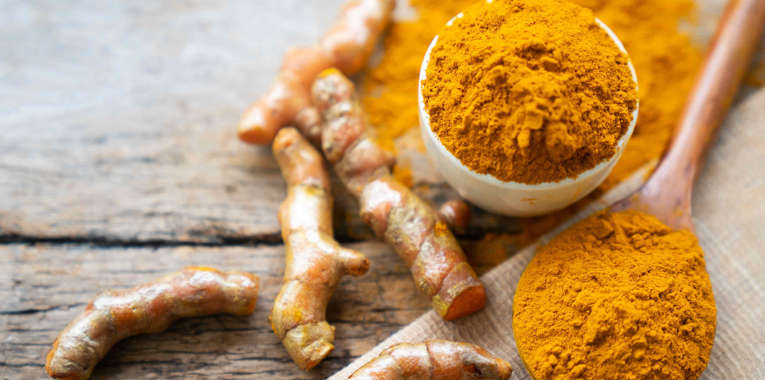
For years, turmeric has reigned supreme in the wellness world, celebrated for its vibrant color and potent anti-inflammatory compound, curcumin. While its reputation is well-deserved, the world of botanical medicine holds a treasure trove of other spices whose anti-inflammatory prowess often equals, and in some cases, surpasses, that of the golden root. Relying solely on turmeric is like having a single superstar on a team; powerful, but no match for a full roster of elite players.
Chronic inflammation is the root of many modern ailments, from arthritis and heart disease to metabolic syndrome and cognitive decline. Expanding your spice cabinet is a delicious and potent strategy to combat it. Let’s explore seven powerful spices that are ready to challenge turmeric for the anti-inflammatory crown.
How and Why: The Science of Spice-Based Inflammation Fighting
Inflammation is the body's natural response to injury or infection. However, when this response becomes chronic, it damages healthy tissue. The spices listed below work by targeting specific inflammatory pathways in the body, primarily by inhibiting key molecules like Nuclear Factor-kappa B (NF-κB) and enzymes like cyclooxygenase-2 (COX-2), which are master regulators of the inflammatory process. They do this through a diverse array of active compounds—alkamides, phenols, terpenes, and flavonoids—that often provide a broader or more targeted anti-inflammatory effect than curcumin alone.
The 7 Spices That Rival (and Sometimes Outperform) Turmeric
1. Ginger (Zingiber officinale)
The How & Why: Ginger shares a family with turmeric (Zingiberaceae), but its power comes from different compounds: gingerols and shogaols. These compounds are potent inhibitors of prostaglandin and leukotriene synthesis, key drivers of inflammation. Research suggests that ginger's anti-inflammatory effects are particularly effective in muscle pain and osteoarthritis, with some studies showing it to be as effective as ibuprofen but without the gastrointestinal side effects.
Key Benefits: Significantly reduces muscle soreness post-exercise, alleviates osteoarthritis pain, and can soothe nausea and digestive discomfort.
2. Clove (Syzygium aromaticoid)
The How & Why: Clove is not just for holiday hams; it's a nutritional powerhouse. Its primary active compound, eugenol, is a powerful phenolic antioxidant and anti-inflammatory agent. Eugenol has been shown to potently inhibit the COX-2 enzyme, similar to how non-steroidal anti-inflammatory drugs (NSAIDs) work, but in a natural, targeted way. Its ORAC (Oxygen Radical Absorbance Capacity) score is one of the highest of all foods, meaning it's exceptionally effective at neutralizing free radicals that cause oxidative stress and inflammation.
Key Benefits: Excellent for oral health (fighting gum inflammation), provides potent pain relief, particularly for toothaches, and supports overall antioxidant defense.
3. Cinnamon (Cinnamomum verum)
The How & Why: Beyond its warm flavor, cinnamon is rich in cinnamaldehyde and a host of polyphenols. These compounds work to reduce levels of inflammatory markers in the blood, such as C-reactive protein (CRP). For individuals with metabolic issues, cinnamon is particularly valuable as it can improve insulin sensitivity, thereby reducing the chronic, low-grade inflammation associated with high blood sugar and type 2 diabetes.
Key Benefits: Helps lower blood sugar levels, reduces risk factors for heart disease, and fights systemic, low-grade inflammation.
4. Rosemary (Rosmarinus officinalis)
The How & Why: The signature piney aroma of rosemary comes from carnosic acid and carnosol, two potent diterpenes. These compounds are known to activate the Nrf2 pathway, a cellular defense mechanism that triggers the production of the body's own antioxidant enzymes. This provides a longer-lasting, indirect antioxidant and anti-inflammatory effect compared to a direct scavenger like Vitamin C.
Key Benefits: Enhances cognitive function and memory, protects brain health by reducing neuroinflammation, and aids in digestion.
5. Black Cumin Seed (Nigella sativa)
The How & Why: Often called "the seed of blessing," black cumin seed is a cornerstone of traditional medicine. Its power lies in thymoquinone (TQ), a compound with remarkably broad anti-inflammatory and antioxidant properties. Studies have shown TQ to be effective in reducing inflammation in conditions as diverse as rheumatoid arthritis, asthma, and even multiple sclerosis, often outperforming placebo and rivaling the effects of certain pharmaceutical drugs in clinical trials.
Key Benefits: Powerful support for autoimmune and allergic conditions, protects liver and kidney function, and can help lower blood pressure.
6. Green Cardamom (Elettaria cardamomum)
The How & Why: This fragrant spice is rich in a compound called cineole, which has demonstrated significant anti-inflammatory and antimicrobial activity. Cardamom works by suppressing pro-inflammatory cytokines, the signaling molecules that promote inflammation. It also acts as a diuretic, helping to flush out excess fluids and sodium, which can reduce blood pressure and associated inflammatory stress on the cardiovascular system.
Key Benefits: Supports digestive health by reducing gut inflammation, helps lower blood pressure, and acts as a natural breath freshener.
7. Pomegranate Seed (Punica granatum)
The How & Why: While technically a fruit, dried and ground pomegranate seeds are used as a spice in many Middle Eastern and South Asian cuisines. Their anti-inflammatory strength comes from punicalagins, unique ellagitannins with an exceptional ability to reduce inflammation in the digestive tract. Research indicates they are particularly effective at calming the gut lining, making them beneficial for conditions like inflammatory bowel disease (IBD). They also inhibit the activation of inflammatory pathways in joint tissues.
Key Benefits: Excellent for gut and joint health, supports heart health by protecting LDL cholesterol from oxidation, and has potent anticancer properties.
Conclusion: A Synergistic Spice Strategy
Turmeric is a remarkable spice, but it is not the only one in the fight against inflammation. The true power lies in synergy. By incorporating a variety of these spices—ginger in your stir-fry, cinnamon in your oatmeal, cloves in your tea, and rosemary on your roasted vegetables—you create a broad-spectrum, multi-mechanism defense against chronic inflammation. This culinary approach is not about replacing turmeric, but about building a more resilient and flavorful arsenal for long-term health. Diversity, as in all things, is the key to resilience.
Frequently Asked Questions (FAQ)
Q1: If these spices are so powerful, should I stop taking my turmeric supplements?
A: No. This is not about replacement, but about enhancement. Turmeric, especially when paired with black pepper (piperine) for absorption, remains a highly effective anti-inflammatory. The goal is to create a diverse dietary intake of these compounds for a broader, synergistic effect. Always consult your doctor before making changes to your supplement regimen.
Q2: How can I ensure I'm getting enough of these spices to make a difference?
A: Consistency is more important than massive quantity. Integrate them daily into your cooking. Add ginger and cinnamon to smoothies, use clove and cardamom in teas and stews, and use rosemary and black cumin generously as seasoning. For a more concentrated dose, high-quality supplements for spices like ginger and black cumin are available.
Q3: Are there any risks or side effects to consuming these spices in large amounts?
A: As with anything, moderation is key. Culinary amounts are generally very safe. However, high doses in supplement form can interact with medications. For example, ginger and cinnamon can thin the blood, potentially interacting with anticoagulants like warfarin. If you are on medication or have a chronic health condition, consult a healthcare professional.
Q4: Which of these spices has the most scientific backing?
A: Ginger and black cumin seed (Nigella sativa) have an immense and growing body of clinical research supporting their efficacy, particularly for pain, inflammation, and metabolic health. Pomegranate is also heavily researched, especially for cardiovascular and gut health.
Q5: Is one of these spices the "best" overall?
A: It's difficult to crown a single "best" spice, as their effects can be tissue-specific. Ginger may be best for muscle and joint pain, while clove excels at localized pain relief, and cinnamon is superior for blood sugar-related inflammation. The "best" strategy is to use a combination tailored to your health goals.
 Spanish
 English
 Arabic
 French
 Portuguese
 Deutsch
 Turkish
 Dutch
Dutch
 Italiano
 Russian
 Romaian
 Portuguese (Brazil)
 Greek
Greek
