


 Talkfever App
 Global Talk
 Upcoming
 child-safety
 Vdo Junction
Anti-Inflammatory Diet Essentials: Your Core Guide To Wellness
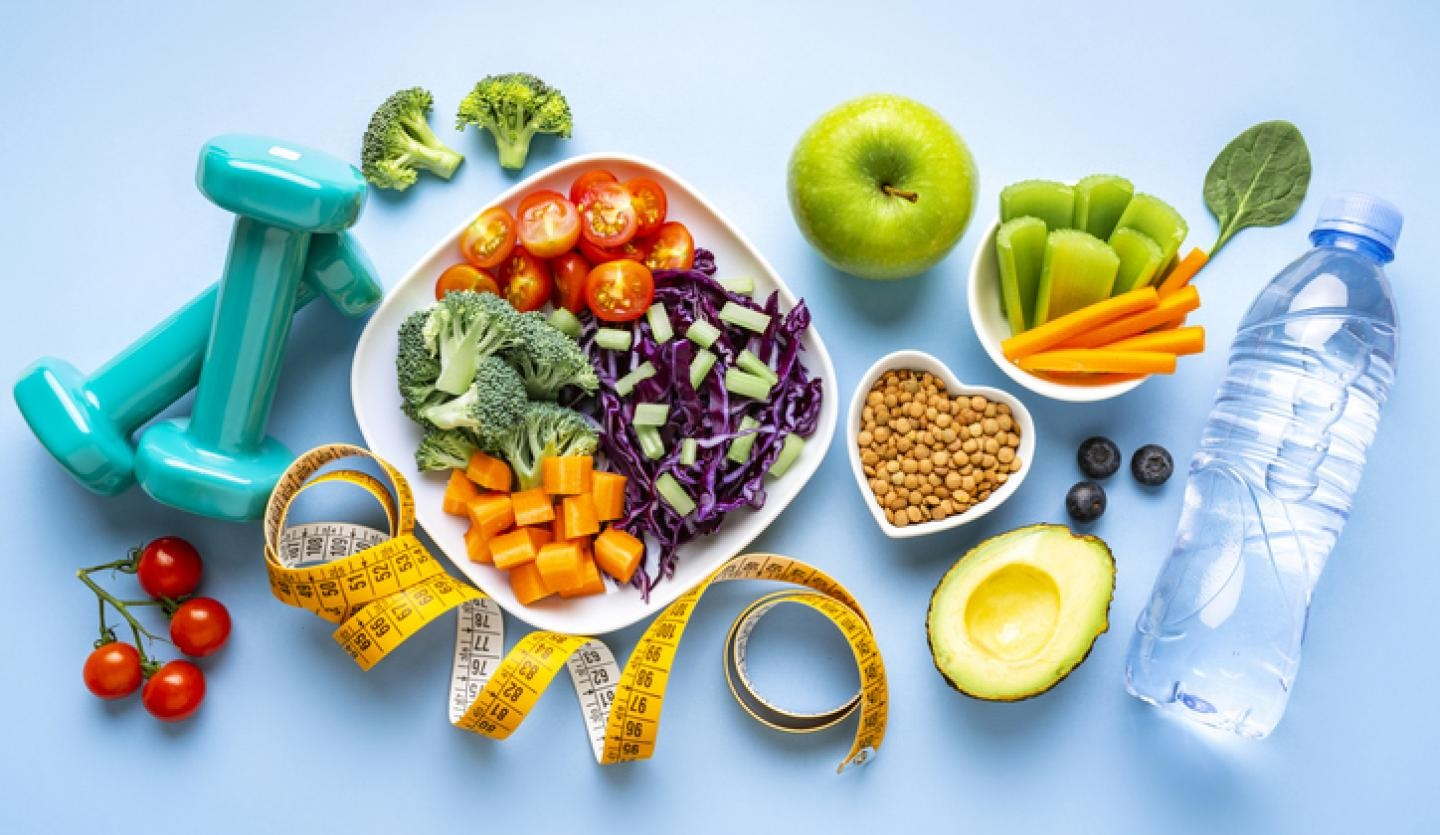
In the pursuit of optimal health, the concept of inflammation has moved from the periphery to the forefront of nutritional science. While acute inflammation is a vital, life-saving immune response to injury or infection, it is chronic, low-grade inflammation that poses a silent threat to our long-term wellness. Linked to a staggering array of conditions—from heart disease and diabetes to arthritis, Alzheimer's, and even depression—this smoldering internal fire is a common denominator in modern disease.
The good news is that one of the most powerful tools to combat this is within our daily control: our diet. An anti-inflammatory diet is not a fleeting trend or a rigid, short-term prescription. It is a sustainable, evidence-based eating pattern designed to extinguish the flames of chronic inflammation and lay the foundation for enduring vitality. This guide will serve as your essential roadmap, detailing the how, why, where, when, and what of this transformative approach to eating.
The "Why": Understanding the Internal Fire
To appreciate the power of an anti-inflammatory diet, we must first understand the enemy. Chronic inflammation occurs when the body's immune system remains persistently activated, even in the absence of a real threat. Think of it as a faulty alarm that never stops ringing. This constant state of alert damages healthy tissues, cells, and DNA over time.
The primary dietary culprits that fuel this fire are:
-
Processed Foods: High in refined carbohydrates, sugars, and unhealthy fats, these products trigger the release of pro-inflammatory messengers called cytokines.
-
Unhealthy Fats: Saturated and trans fats (found in fried foods, pastries, and processed snacks) can stimulate adipose (fat) tissue to produce inflammatory compounds.
-
Sugar and Refined Carbs: These cause rapid spikes in blood sugar and insulin, which promotes the creation of advanced glycation end products (AGEs)—potent drivers of inflammation.
Conversely, an anti-inflammatory diet works by flooding the body with nutrients that actively cool these flames, support immune regulation, and promote a healthy gut microbiome, which is intrinsically linked to systemic inflammation.
The "How": Building Your Anti-Inflammatory Plate
The core principle is simple: prioritize whole, nutrient-dense foods and minimize processed ones. It’s less about counting calories and more about choosing high-quality food components.
Foods to Embrace (The Firefighters):
-
Colorful Fruits and Vegetables: The vibrant pigments in berries, leafy greens, oranges, and bell peppers are often antioxidants like flavonoids and carotenoids. These compounds neutralize free radicals, unstable molecules that contribute to inflammation and cellular damage. Aim for a "rainbow" on your plate every day.
-
Healthy Fats: These are the cornerstone of the diet.
-
Omega-3 Fatty Acids: Found in fatty fish (salmon, mackerel, sardines), flaxseeds, chia seeds, and walnuts, omega-3s are converted into powerful anti-inflammatory resolvins and protectins in the body.
-
Monounsaturated Fats: Abundant in extra virgin olive oil, avocados, and nuts, these fats support heart health and have been shown to reduce inflammatory markers like C-reactive protein (CRP).
-
-
Lean Protein and Plant-Based Proteins:
-
Legumes: Beans, lentils, and chickpeas are rich in fiber and antioxidants.
-
Quality Animal Protein: Opt for lean poultry, eggs, and occasionally, unprocessed red meat. The key is quality and moderation.
-
-
Herbs and Spices: This is where your food becomes medicine. Turmeric (containing the potent compound curcumin), ginger, garlic, rosemary, and cinnamon are not just flavor enhancers; they are pharmacological powerhouses with documented anti-inflammatory effects.
-
Whole Grains: Replace refined grains with fiber-rich options like oats, quinoa, brown rice, and farro. Fiber supports a healthy gut, which is crucial for managing inflammation.
Foods to Reduce or Avoid (The Fire Starters):
-
Refined Carbohydrates (white bread, pastries, white pasta)
-
Sugar-Sweetened Beverages (soda, sweetened juices)
-
Processed Meats (hot dogs, sausages, deli meats)
-
Excessive Alcohol
-
Fried Foods and Foods high in trans and saturated fats
The "When": Timing and Consistency
The "when" of an anti-inflammatory diet operates on two levels: frequency and meal timing.
-
Consistency Over Perfection: The greatest benefits are reaped through long-term, consistent adherence. View this not as a 30-day challenge but as a permanent evolution of your eating habits. A single "cheat meal" will not undo weeks of progress, but reversion to old patterns will quickly rekindle inflammation.
-
Meal Timing and Rhythm: Emerging research on circadian rhythms suggests that aligning our eating patterns with our internal clock can help reduce inflammation. This often means:
-
Front-Loading Calories: Consuming a larger, nutrient-dense breakfast and a moderate lunch, followed by a lighter dinner.
-
Time-Restricted Eating: Limiting your daily food intake to a 10-12 hour window (e.g., eating between 8 am and 6 pm) can improve metabolic health and reduce inflammatory markers.
-
The most important "when" is to start now. Every anti-inflammatory meal is a step toward quenching chronic inflammation.
The "Where": Sourcing Your Ingredients
The quality of your food matters. While you don't need to break the bank, being mindful of sourcing can enhance the nutritional profile of your diet.
-
Local Farmers' Markets: Locally grown, seasonal produce is often harvested at its peak ripeness, which can mean a higher concentration of antioxidants and phytonutrients.
-
The Perimeter of the Grocery Store: This is typically where the whole foods reside—produce, the fish counter, the butcher, and the dairy section. The inner aisles are often filled with the processed, packaged foods you aim to minimize.
-
Reading Labels: When you do buy packaged foods, become a diligent label reader. Look for short ingredient lists with recognizable items. If you see refined oils, added sugars, or unpronounceable additives, it's a sign to look for a better alternative.
Conclusion: A Lifelong Investment in Vitality
Adopting an anti-inflammatory diet is one of the most profound investments you can make in your long-term health and quality of life. It is a proactive, empowering strategy that moves you from a state of managing disease to one of promoting wellness. By consistently choosing whole, colorful, and nutrient-rich foods, you are not just feeding your body; you are providing it with the essential tools to repair, protect, and thrive.
This dietary pattern, exemplified by the Mediterranean diet, is backed by decades of rigorous science demonstrating its benefits for everything from joint pain and brain fog to the most serious chronic illnesses. Begin with small, sustainable swaps—a handful of berries instead of a candy bar, olive oil instead of butter, a salad with every dinner. As these choices accumulate, so too will your energy, clarity, and resilience, paving your way to a life defined not by inflammation, but by vibrant wellness.
Frequently Asked Questions (FAQ)
Q1: How quickly will I see results from an anti-inflammatory diet?
Results vary based on an individual's baseline health, genetics, and level of adherence. Some people report improvements in energy, digestion, and joint stiffness within a few weeks. For more significant changes in biometrics like blood pressure or cholesterol, it may take several months of consistent effort.
Q2: Is the anti-inflammatory diet the same as a gluten-free or dairy-free diet?
Not necessarily. While some individuals may have specific sensitivities to gluten or dairy that cause their own inflammatory response, these foods are not universally inflammatory. The core anti-inflammatory diet focuses on whole foods. If you suspect a sensitivity, it is best to consult with a healthcare professional for testing and guidance rather than eliminating entire food groups unnecessarily.
Q3: I'm on a budget. Is this diet affordable?
Absolutely. While some items like wild-caught salmon and fresh berries can be pricey, the diet's foundation is built on affordable staples. Canned beans and lentils, frozen fruits and vegetables, whole grains like oats and brown rice, and seasonal local produce are all cost-effective choices. Cooking at home rather than eating out is also a significant money-saver.
Q4: Can I ever eat "inflammatory" foods again?
The goal is progress, not perfection. An 80/20 or 90/10 approach is both sustainable and realistic. This means making anti-inflammatory choices 80-90% of the time, allowing for occasional indulgences without guilt. The key is that these foods become the occasional exception, not the daily rule.
Q5: Are there any risks or people who should avoid this diet?
This eating pattern is widely regarded as safe and beneficial for the general population. However, individuals with specific medical conditions, those on blood-thinning medications (due to the high vitamin K in leafy greens or the blood-thinning properties of spices like turmeric), or pregnant women should always consult their doctor or a registered dietitian before making significant dietary changes.
Q6: Is coffee inflammatory?
For most people, coffee is actually anti-inflammatory due to its high concentration of polyphenols and antioxidants. The issue often lies in what is added to it—large amounts of sugar, syrups, or artificial creamers. Enjoy your coffee black or with a splash of milk or a natural sweetener like a dash of cinnamon.

 English
 Arabic
 French
 Spanish
 Portuguese
 Deutsch
 Turkish
 Dutch
Dutch
 Italiano
 Russian
 Romaian
 Portuguese (Brazil)
 Greek
Greek
