


 Talkfever App
 Global Talk
 Upcoming
 child-safety
 Vdo Junction
Tomatoes and Inflammation: The Expert-Backed Truth You Need To Know
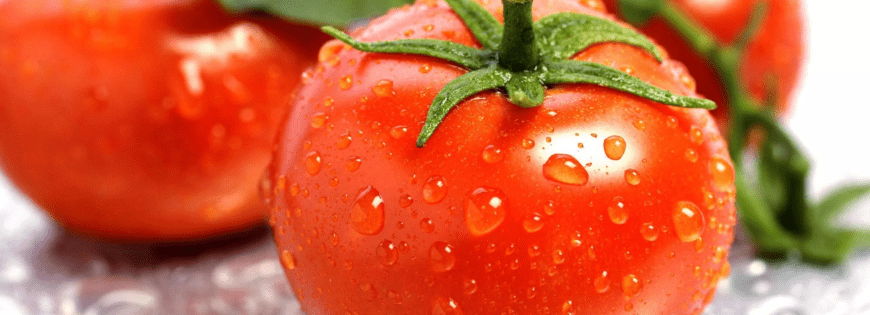
Of all the dietary debates that simmer in the world of nutrition, the status of the humble tomato is particularly intriguing. A vibrant staple in cuisines worldwide, the tomato is often celebrated as a health food, yet it is also frequently flagged on "elimination diets" for those with inflammatory conditions like arthritis. This contradiction leaves many consumers asking: are tomatoes a friend or foe in the fight against inflammation? The expert-backed truth, as it turns out, is far more nuanced than a simple yes or no.
To understand the tomato's dual nature, we must first look inside its vibrant red flesh. The tomato is a nutritional powerhouse, a veritable cocktail of bioactive compounds with potent health effects.
The Anti-Inflammatory Arsenal of the Tomato
The most celebrated component of the tomato is lycopene. This powerful carotenoid antioxidant is what gives tomatoes their characteristic red color. Lycopene’s primary claim to fame in the context of inflammation is its ability to neutralize free radicals—unstable molecules that cause oxidative stress and trigger inflammatory pathways in the body. Numerous studies have shown that higher blood levels of lycopene are associated with lower levels of inflammatory markers like C-reactive protein (CRP) and TNF-alpha.
Crucially, the body absorbs lycopene much more efficiently from cooked and processed tomato products than from raw tomatoes. This is because heating breaks down the tomato's cell walls, releasing the lycopene. Therefore, tomato paste, canned tomatoes, and even sugar-free ketchup and salsa are more concentrated sources of bioavailable lycopene than a fresh salad tomato.
Beyond lycopene, tomatoes offer a suite of other anti-inflammatory agents:
- Vitamin C: A classic antioxidant that supports immune function and combats oxidative stress.
- Beta-Carotene: Another carotenoid that the body can convert into vitamin A, essential for regulating the immune system.
- Flavonoids: Such as quercetin and kaempferol, which have been shown in studies to inhibit the production of pro-inflammatory enzymes.
- Potassium: Adequate potassium intake is linked to improved metabolic markers and can help counterbalance the pro-inflammatory effects of a high-sodium diet.
Collectively, this impressive lineup suggests that for the average healthy individual, tomatoes are unequivocally anti-inflammatory.
The Other Side of the Coin: The Nightshade Argument
So, where does the controversy originate? Tomatoes belong to the Solanaceae, or nightshade, family of plants, which also includes potatoes, eggplants, and peppers. Nightshades naturally produce a group of compounds called alkaloids, such as solanine in tomatoes and potatoes. These are part of the plant's natural defense system against pests.
The theory posits that these alkaloids can exacerbate inflammation and pain, particularly in individuals with pre-existing inflammatory conditions like rheumatoid arthritis or other autoimmune disorders. The proposed mechanism is that alkaloids may inhibit enzymes in the joints or contribute to a "leaky gut," where intestinal permeability allows undigested particles to enter the bloodstream, triggering a systemic immune response.
However, and this is a critical point emphasized by many nutrition experts and rheumatologists, the evidence for this is largely anecdotal. Robust, large-scale clinical trials are lacking. The alkaloid content in modern, cultivated tomatoes is exceptionally low, especially in the ripe fruit. The highest concentrations are found in the leaves and stems, not the parts we typically consume.
The Expert-Backed Verdict: Context is Everything
The consensus among dietitians and medical professionals is that tomatoes are anti-inflammatory for the vast majority of the population. For most people, the potent benefits of lycopene and other antioxidants far outweigh the theoretical risks from minimal alkaloid content.
The key is individual sensitivity. A small subset of people, particularly those with an existing inflammatory autoimmune condition or a specific sensitivity to nightshades, may experience a flare-up of symptoms after consuming tomatoes.
So, what should you do? Here is an expert-backed action plan:
- If You Are Generally Healthy: Embrace tomatoes in all their forms. Include a variety of raw, cooked, and processed (low-sugar) tomato products in your diet to reap the full spectrum of anti-inflammatory and other health benefits, such as reduced risk of heart disease and certain cancers.
- If You Suspect a Sensitivity: Do not eliminate an entire food group based on fear alone. Instead, adopt a systematic approach.
- Consult a Professional: Speak with a registered dietitian or your doctor before making significant dietary changes.
- Consider an Elimination Diet: Under professional guidance, you could eliminate all nightshades (tomatoes, potatoes, eggplant, peppers, paprika) for 3-4 weeks.
- Reintroduce Methodically: After the elimination period, reintroduce tomatoes alone in a plain form (e.g., a simple tomato sauce) and monitor your symptoms for 2-3 days. This helps pinpoint if tomatoes, and not another nightshade, are the true trigger.
- Focus on the Overall Dietary Pattern: Experts universally agree that your overall diet matters more than any single food. A diet rich in a wide variety of fruits, vegetables, whole grains, and healthy fats will have a profoundly anti-inflammatory effect, even if it includes tomatoes. Conversely, a diet high in processed foods, sugar, and unhealthy fats will be pro-inflammatory, regardless of whether you avoid nightshades.
The Final Peel
The science provides a clear, though layered, conclusion. The tomato, with its rich concentration of lycopene and other antioxidants, is fundamentally an anti-inflammatory food. The notion that it promotes inflammation is a theory that applies only to a very small, sensitive segment of the population and is not supported by broad scientific evidence for the general public.
Rather than fearing this nutritious fruit, most of us should be finding more ways to include it in our meals. From a fresh slice in a salad to a slow-simmered marinara sauce, the tomato remains a delicious and powerful ally for long-term health and a cornerstone of an anti-inflammatory lifestyle.

 Portuguese (Brazil)
 English
 Arabic
 French
 Spanish
 Portuguese
 Deutsch
 Turkish
 Dutch
Dutch
 Italiano
 Russian
 Romaian
 Greek
Greek
