


 Talkfever App
 Global Talk
 Upcoming
 child-safety
 Vdo Junction
Fiber, Protein & Vitamin C: Mango vs. Papaya - Expert Dietitian Breakdown
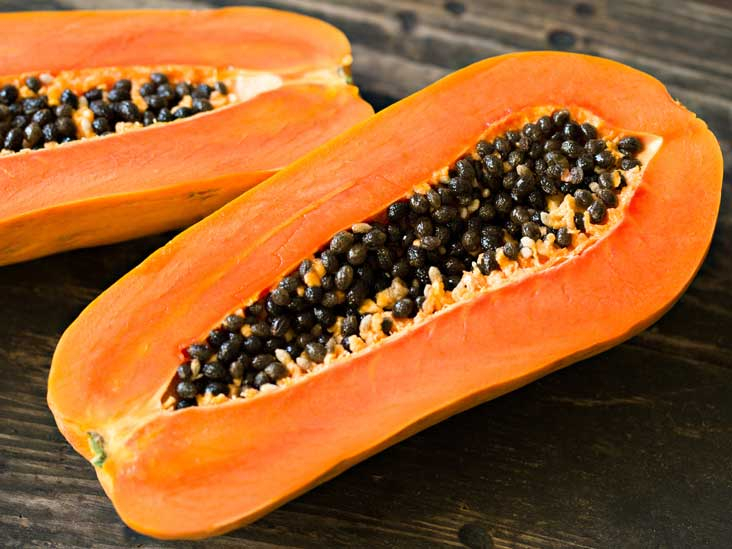
In the vibrant world of tropical fruits, mango and papaya stand as two nutritional powerhouses, each offering a unique profile of flavors and health benefits. Often placed side-by-side in the produce aisle, the choice between them can be a dilemma for the health-conscious consumer. Is one truly superior to the other? To settle the debate, we need to move beyond mere taste and delve into a scientific breakdown of their core nutritional components: fiber, protein, and the mighty Vitamin C.
This analysis will compare these two fruits head-to-head, explaining not just what they contain, but how and why these nutrients benefit your body, empowering you to make an informed choice for your wellness goals.
The Nutritional Showdown: A Head-to-Head Comparison
Let’s begin by examining a standard one-cup (approx. 165g) serving of each fruit, diced.
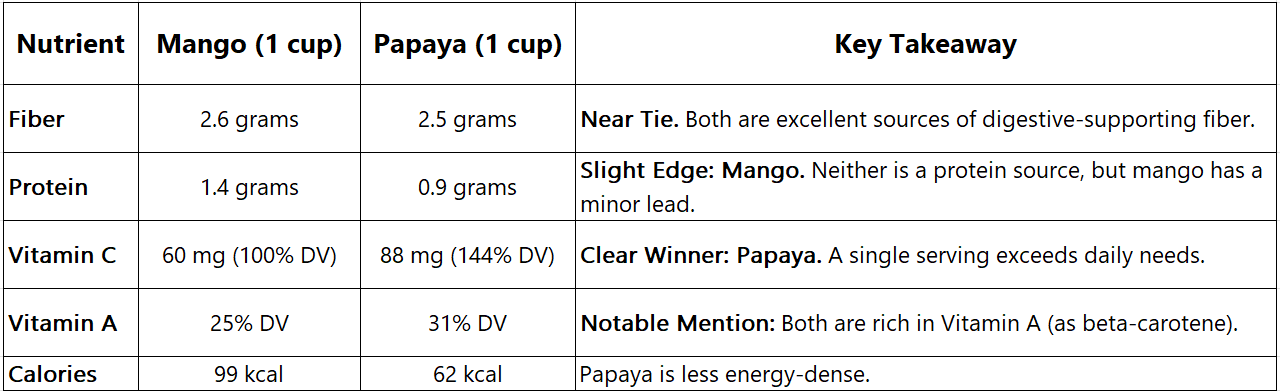
*DV = Daily Value based on a 2,000-calorie diet.*
The "How" and "Why": Unpacking the Health Benefits
Seeing the numbers is one thing; understanding their impact on your health is another. Here’s a deeper look at what these nutrients mean for you.
1. The Digestive Dynamo: Fiber
-
How it Works: Both mango and papaya provide a good mix of soluble and insoluble fiber. Soluble fiber forms a gel-like substance in the gut, slowing digestion and helping to regulate blood sugar and cholesterol. Insoluble fiber adds bulk to stool, promoting regular bowel movements and preventing constipation.
-
The Papaya Advantage (Beyond Fiber): While the fiber content is nearly identical, papaya possesses a unique secret weapon: the enzyme papain. Papain helps break down protein fibers, making it a natural digestive aid, especially after a protein-heavy meal. This is why papaya is often recommended for those with sluggish digestion.
-
The Mango Edge: Mango’s specific fiber profile, combined with bioactive compounds like mangiferin, has been linked in some studies to beneficial changes in gut microbiota, potentially reducing inflammation and improving gut barrier function.
2. The Immunity and Skin Booster: Vitamin C
-
Why it Matters: Vitamin C is a potent antioxidant that protects cells from damage, is essential for collagen synthesis (vital for skin, joints, and bones), and enhances immune cell function.
-
The Clear Winner: With 88 mg per cup, papaya is an undisputed champion of Vitamin C. Consuming one serving easily meets and exceeds the daily requirement, providing a massive boost to your immune system and skin health. Mango is no slouch, offering a full 100% DV, but papaya’s concentration is significantly higher. For individuals looking to maximize their antioxidant intake or support collagen production for skin health, papaya has a distinct advantage.
3. The Minor Player: Protein
-
Reality Check: It’s crucial to understand that neither mango nor papaya is a meaningful source of protein. They are fruits, and their primary role is not to provide building blocks for muscle. The small amounts present are incidental. Your protein needs should be met through other food groups like legumes, nuts, seeds, dairy, lean meats, and fish.
Conclusion: So, Which Fruit Should You Choose?
The answer is not about choosing one and excluding the other. Instead, it’s about understanding their strengths and incorporating both into a balanced diet.
-
Choose Papaya if: Your primary focus is on supercharging your Vitamin C intake for immune support or skin health. It’s also the superior choice as a digestive aid after meals, thanks to its papain enzyme. Its lower calorie density makes it ideal for those managing energy intake.
-
Choose Mango if: You’re looking for a sweet, satisfying treat that still delivers a full day’s worth of Vitamin C and contributes to gut health through its unique polyphenols. Its slightly higher protein and calorie content can offer a bit more sustained energy.
The Verdict: Embrace variety. Enjoy papaya in the morning to kickstart your digestion and immunity, and savor a mango as a sweet afternoon snack. Both are low-fat, cholesterol-free, and packed with vitamins, fiber, and antioxidants. The true winner is the person who includes a rainbow of fruits, like mango and papaya, in their dietary pattern.
Frequently Asked Questions (FAQ)
Q1: Are mango and papaya good for weight loss?
Yes, both can be excellent additions to a weight management plan. They are low in fat and calories while being high in fiber and water content, which promotes feelings of fullness and satiety. Papaya is slightly lower in calories, but the difference is minimal. The key is portion control, as with any food.
Q2: I have digestive issues like IBS. Which is better?
This requires individual caution. Both are high in FODMAPs (fermentable carbohydrates) that can trigger symptoms like bloating in sensitive individuals. Ripe mango is high in fructose and sorbitol, while papaya contains polyols. During an IBS flare-up, it’s best to consult a dietitian. Papaya’s papain enzyme may help some, but the high FODMAP content may worsen symptoms for others.
Q3: Can diabetics eat mango and papaya?
Yes, in moderation and as part of a balanced meal. The fiber in both fruits helps slow the absorption of their natural sugars, preventing a sharp blood sugar spike. Pairing a small portion with a source of protein or healthy fat (e.g., a few slices of mango with Greek yogurt) is an effective strategy. Monitoring blood sugar response is always recommended.
Q4: Is the skin of these fruits edible?
Mango skin is edible and contains additional fiber and nutrients, but it also contains urushiol (the same compound found in poison ivy), which can cause allergic contact dermatitis in sensitive people. It is also often tough and bitter. Papaya skin is not recommended for consumption as it is very bitter and contains latex. It’s best to enjoy the fleshy interior of both fruits.
Q5: How does the Vitamin A content compare?
Both fruits are excellent sources of Vitamin A in the form of beta-carotene, which gives them their orange hue. Beta-carotene is a precursor to Vitamin A and is vital for vision, immune function, and skin health. The content is very similar, with papaya having a slight edge, but both contribute significantly to your daily needs.
 Dutch
Dutch
 English
 Arabic
 French
 Spanish
 Portuguese
 Deutsch
 Turkish
 Italiano
 Russian
 Romaian
 Portuguese (Brazil)
 Greek
Greek
