

 Talkfever App
 Global Talk
 Upcoming
 child-safety
 Vdo Junction
How to Track Progress in a Keyboard Course
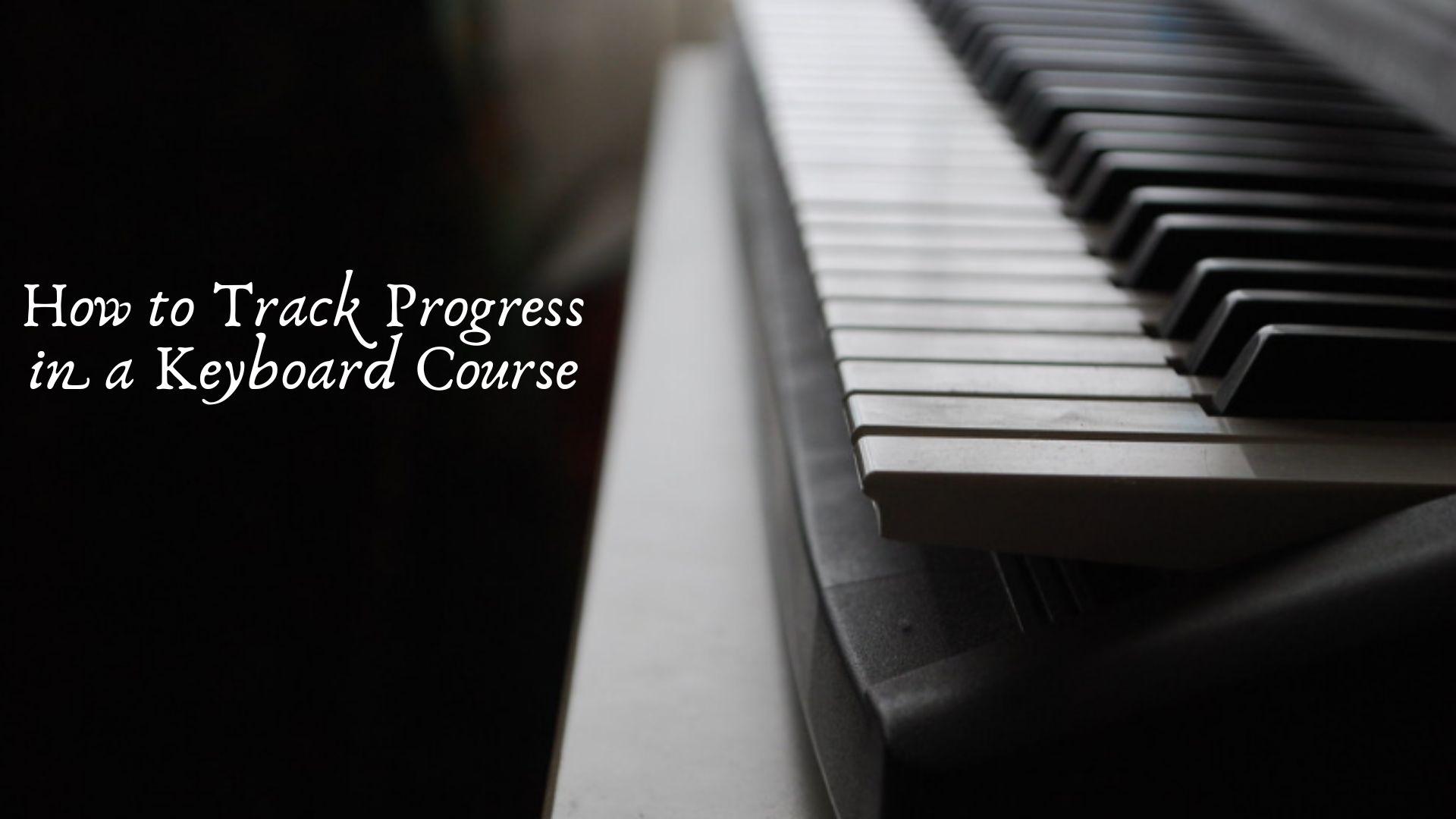
Learning to play the keyboard is a rewarding journey that blends creativity, discipline, and technical skill. Whether you're a beginner or an intermediate student, tracking your progress in a keyboard course can significantly boost your motivation and help you achieve your musical goals more efficiently. In this article, we’ll explore practical strategies and tools to monitor your development, identify areas for improvement, and celebrate your achievements along the way.
Why Tracking Progress Matters
Progress tracking isn’t just about seeing how far you’ve come—it’s about identifying what works, staying accountable, and maintaining consistent improvement. Benefits include:
-
Motivation Boost: Visible progress encourages you to keep going.
-
Goal Alignment: Helps ensure you're meeting learning objectives.
-
Skill Reinforcement: Regular tracking reinforces practice habits.
-
Error Correction: Detects and corrects bad habits early.
Set Clear, Achievable Goals
Before you can measure progress, you need clear benchmarks. Break your long-term aspirations into smaller, manageable goals.
-
Short-Term Goals: Learn to play a specific song or master a scale.
-
Mid-Term Goals: Improve hand coordination or sight-reading.
-
Long-Term Goals: Play complex compositions or perform publicly.
Use the SMART goal method—Specific, Measurable, Achievable, Relevant, Time-bound—for the best results.
Maintain a Practice Journal
A practice journal is one of the most effective tools for tracking progress. It helps you reflect on what you’ve learned and what you need to work on.
What to Include:
-
Date and duration of each practice session
-
Pieces or exercises practiced
-
Challenges faced and solutions tried
-
Achievements or breakthroughs
You can use a physical notebook or digital alternatives like Google Docs or note-taking apps.
Record Yourself Regularly
Recording your practice sessions—audio or video—lets you objectively assess your progress.
-
Record yourself playing the same piece once a week or bi-weekly.
-
Compare your recordings over time to spot improvements in rhythm, dynamics, and expression.
-
Use tools like smartphones, USB microphones, or music apps with recording functions.
This method also helps you prepare for performances by building confidence.
Use Progress Checklists
Create or use checklists based on your course curriculum. These might include:
-
Technical skills (e.g., scales, arpeggios, chord transitions)
-
Music theory knowledge
-
Sight-reading ability
-
Repertoire learned
-
Rhythm accuracy
Tick off accomplishments to visualize what you’ve mastered and what’s pending.
Leverage Apps and Digital Tools
Numerous apps are designed to help music learners track and enhance their progress.
-
Yousician: Offers real-time feedback and tracks lesson completion.
-
Flowkey: Provides interactive lessons and progress tracking.
-
Simply Piano: Great for beginners, with a structured course path.
-
Metronome and Tuner Apps: Improve timing and tone accuracy.
These platforms often include built-in performance stats and leaderboards for added motivation.
Seek Feedback from Instructors
Instructor feedback is invaluable. Schedule regular reviews to:
-
Evaluate technical improvements
-
Correct posture and hand positions
-
Gain personalized practice tips
-
Get motivation and encouragement
Don’t hesitate to ask questions or request demonstrations during lessons. If you're learning online, record your questions and send them to your instructor via email or learning platforms.
Measure Musicality, Not Just Mechanics
While mastering notes and rhythms is important, music is also about expression. Track your growth in:
-
Dynamics: Are you playing with varied volume and emotion?
-
Phrasing: Are your transitions smooth and expressive?
-
Interpretation: Are you conveying the mood of the piece?
Listening back to your recordings or asking peers/instructors can help assess this less tangible—but crucial—area of growth.
Take Skill Assessments and Exams
Many music schools and online courses offer structured exams or assessments. These can be:
-
Internal tests after completing a module
-
Standardized exams like ABRSM, Trinity College London, or Rockschool
-
Online quizzes and interactive evaluations
These assessments provide formal milestones and certifications to mark your growth.
Celebrate Milestones
Acknowledging your achievements, big or small, can keep your motivation high.
-
Share your progress with family, friends, or online communities.
-
Reward yourself after learning a challenging piece.
-
Host a mini performance (live or recorded) every few months.
Keeping the journey fun is key to long-term engagement and success.
Reflect and Adjust
Finally, take time to reflect monthly or quarterly:
-
What have you improved on?
-
What challenges keep recurring?
-
Are you still aligned with your goals?
-
Do you need to adjust your practice routine?
This reflection ensures that your progress remains intentional and guided.
Conclusion
Tracking your progress in a keyboard course isn’t about perfection—it’s about growth, consistency, and joy. By setting clear goals, documenting your journey, leveraging technology, and staying in touch with your passion, you’ll see not just improvement in your playing, but also a deeper connection with music itself. So grab your notebook, hit that record button, and let your keyboard journey unfold—one key at a time.

 Portuguese (Brazil)
 English
 Arabic
 French
 Spanish
 Portuguese
 Deutsch
 Turkish
 Dutch
Dutch
 Italiano
 Russian
 Romaian
 Greek
Greek
