


 Talkfever App
 Global Talk
 Upcoming
 child-safety
 Vdo Junction
Beyond the Basket: 5 Sneaky Egg Alternatives For Non-Stop Protein
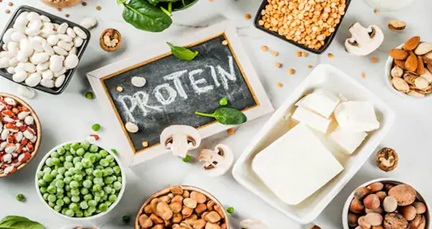
Introduction: The Protein Powerhouse Dilemma
For decades, the humble egg has reigned supreme as the gold standard of convenience and complete protein. With its optimal amino acid profile, versatility in the kitchen, and affordable price point, a scrambled or hard-boiled egg has been the default choice for athletes, dieters, and anyone looking for a quick protein boost. However, the modern palate is evolving, and dietary needs are diversifying. Whether driven by allergies, a shift to plant-based eating, concerns over cholesterol, or simply the desire for culinary variety, a growing number of professionals and fitness enthusiasts are looking "beyond the basket" for reliable, high-quality, and often stealthier sources of protein.
The goal isn't just to replace the egg; it's to find alternatives that offer comparable protein density and bioavailability while seamlessly integrating into various meals—from breakfast smoothies to workday lunches and post-workout snacks. This requires looking past the obvious choices and uncovering the "sneaky" contenders that can provide a sustained, non-stop flow of essential amino acids.
Here are five powerful, yet often overlooked, egg alternatives poised to revolutionize your daily protein intake.
1. 🥜 Nutritional Yeast: The Cheesy, Hidden Booster
Why it Works
Often simply called "Nooch," nutritional yeast is a deactivated yeast that comes in the form of yellow flakes. Its most popular use is as a vegan cheese substitute due to its uniquely savory, umami-rich flavor. What many don't realize is its exceptional nutritional profile. A mere two tablespoons can deliver approximately 8-10 grams of complete protein, meaning it contains all nine essential amino acids—a rare find in a plant-based food.
How to Use it Sneakily
-
Elevate Your Popcorn: Sprinkle a tablespoon over air-popped popcorn for a cheesy flavor and a protein spike without adding dairy.
-
The Creamy Sauce Secret: Stir into pasta sauces, soups, or mashed potatoes to thicken the consistency and add a protein and B-vitamin punch, completely unnoticed by the palate.
-
Avocado Toast Upgrade: Dust generously over your morning avocado toast. It adds flavor complexity and silently turns a healthy fat source into a more complete meal.
2. 🌱 Hemp Seeds (Hemp Hearts): The Tiny, Omega-Rich Giant
Why it Works
Hemp seeds are derived from the Cannabis sativa plant but contain only trace amounts of THC, making them a safe and legal superfood. Don't let their small size fool you: three tablespoons of shelled hemp seeds (hemp hearts) contain a remarkable 10 grams of high-quality protein. Critically, they also boast an optimal 3:1 ratio of omega-6 to omega-3 essential fatty acids, offering anti-inflammatory benefits that eggs simply cannot match.
How to Use it Sneakily
-
The Non-Gritty Smoothie: Unlike protein powders, hemp hearts blend into smoothies almost seamlessly, adding a mild, nutty flavor and a significant protein and healthy fat boost.
-
Invisible Salad Topper: Their soft texture makes them perfect for sprinkling over salads and baked vegetables. They look like tiny croutons but disappear into the texture of the dish.
-
Nut Butter Replacement: Blend them with a little water and salt to create a quick, high-protein "hemp milk" or thicker paste for spreads.
3. 🌰 Lentil Pasta and Chickpea Pasta: The Base Layer Protein
Why it Works
Traditional pasta is a high-carb staple, often low in protein. However, a major innovation in the grain aisle involves replacing durum wheat with flours made from legumes like red lentils, green lentils, or chickpeas. This simple swap dramatically changes the macronutrient profile. A standard two-ounce serving of lentil or chickpea pasta can contain 12-14 grams of protein and significant dietary fiber, transforming a simple dinner component into a powerful protein vehicle.
How to Use it Sneakily
-
The Familiar Swap: This is the ultimate "sneaky" swap because it uses a familiar form—pasta. Replace traditional spaghetti or penne with the legume version. The taste difference is minimal, but the nutritional gain is massive.
-
Cold Pasta Salads: Use them in meal-prepped pasta salads. The fiber and protein keep you full longer, making it an excellent lunch choice.
4. 🥣 Tofu and Tempeh: Fermented & Fluid Forms
Why it Works
While not exactly "sneaky" in their whole-block form, their versatility allows them to disappear into recipes. Tofu (made from soybean curds) and Tempeh (fermented soybeans) offer about 10-15 grams of protein per half-cup serving. Tempeh, in particular, benefits from the fermentation process, which can make the nutrients more easily digestible.
How to Use it Sneakily
-
Smoothie Silkening: Blend silken tofu into smoothies or dessert puddings. It adds zero flavor, incredible creaminess, and a dense hit of protein.
-
Crumbled 'Ground Meat': Crumble firm tofu or tempeh and sauté it with taco seasoning or chili powder. It perfectly mimics the texture of ground meat in tacos, sloppy joes, or chili, significantly boosting the protein without the fat content of beef
-
Dessert Base: Blend silken tofu with cocoa powder and sweetener for a high-protein, surprisingly light chocolate mouss.
5. 🥛 Grass-Fed Collagen Peptides: The Unflavored Dissolvable
Why it Works
Collagen peptides are unique because they are a pure source of protein, delivering around 9-10 grams per standard scoop. Although they are not a "complete" protein (they are low in the amino acid tryptophan), their specific amino acid profile—rich in glycine, proline, and hydroxyproline—is crucial for joint health, skin elasticity, and gut lining repair. They are an additive protein source that complements the amino acids you get from other foods.
How to Use it Sneakily
-
The Morning Coffee Companion: Collagen is virtually flavorless and dissolves completely in hot or cold liquids without changing the texture—the perfect way to boost the protein of your morning coffee, tea, or cold brew.
-
Into the Soup: Stir a scoop into stews, broths, or cream-based soups as they cool slightly. It thickens the consistency marginally while turning a liquid appetizer into a protein-rich recovery meal.
Conclusion: Crafting a Protein-Diverse Diet
Moving beyond the basket isn't about eliminating eggs; it's about introducing protein diversity into your diet. A varied intake of protein sources ensures a wider spectrum of essential vitamins, minerals, and amino acids, which is key to optimal performance, sustained energy, and long-term health.
By strategically incorporating these five "sneaky" egg alternatives—from the savory flakes of nutritional yeast to the seamless integration of collagen peptides—you can build a nutrition plan that is rich, varied, and resilient. Stop relying on one food for your protein needs; the future of optimal nutrition is diverse, delicious, and discreetly packed with power.
 Arabic
 English
 French
 Spanish
 Portuguese
 Deutsch
 Turkish
 Dutch
Dutch
 Italiano
 Russian
 Romaian
 Portuguese (Brazil)
 Greek
Greek
