


 Talkfever App
 Global Talk
 Upcoming
 child-safety
 Vdo Junction
Frozen Food Hacks: 6 Veggies To Target Inflammation, Backed By Dietitians
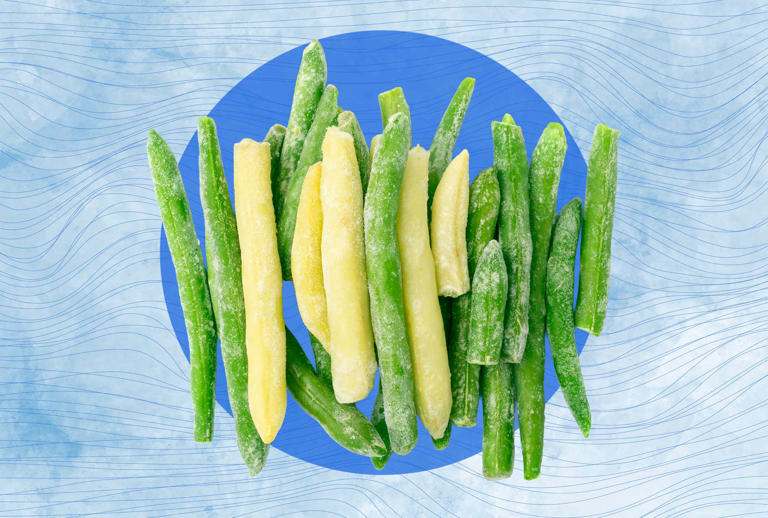
For years, the freezer aisle was relegated to the land of TV dinners and ice cream. But a quiet revolution has been happening behind those frosty glass doors. Today, dietitians and nutrition experts are pointing to the frozen food section as a secret weapon for combating chronic inflammation—a silent fire linked to everything from joint pain and fatigue to more serious conditions like heart disease and diabetes.
The best part? It’s a strategy that is both incredibly affordable and convenient. Let’s dive into the science and unveil the six best frozen veggies to target inflammation, along with practical hacks to make them a staple in your healthy lifestyle.
Why Frozen? Debunking the Fresh-Only Myth
Before we get to the "what," it's crucial to understand the "why." The belief that fresh is always nutritionally superior is a common misconception.
-
Peak Ripeness & Nutrient Lock: Frozen vegetables are typically harvested at their peak ripeness, when their vitamin and antioxidant levels are highest. They are then blanched (quickly heated and cooled) and flash-frozen within hours. This process locks in these valuable nutrients. Fresh produce, on the other hand, can spend days or weeks in transit and on shelves, during which time heat and light degrade sensitive vitamins and antioxidants.
-
Year-Round Access & Consistency: Freezing allows you to access anti-inflammatory powerhouses like spinach and berries year-round, regardless of the growing season. You also get consistent quality and nutritional value with every bag.
-
Reduced Food Waste & Cost-Effectiveness: A freezer full of frozen veggies means you always have a healthy base for a meal, reducing the urge for less nutritious takeout. It’s also far more economical than buying out-of-season fresh produce that may spoil before you use it.
The How: The Link Between Veggies and Inflammation
Inflammation is a natural immune response to injury or infection. However, when this response becomes chronic due to factors like stress, poor diet, and lack of exercise, it can damage healthy tissues.
The powerful compounds in vegetables that fight this process are primarily antioxidants and phytonutrients. These substances neutralize free radicals—unstable molecules that cause cellular damage and fuel inflammation. A diet rich in a variety of colorful vegetables ensures a steady supply of these anti-inflammatory compounds, helping to "cool" the body's internal fire.
The 6 Dietitian-Backed Frozen Veggies to Target Inflammation
Here are the top six frozen vegetables you should always have on hand, and the specific reasons dietitians recommend them.
1. Spinach
How it Fights Inflammation: Spinach is a triple threat. It’s loaded with antioxidants like vitamin C and vitamin E, plus powerful anti-inflammatory compounds called glycoglycerolipids. It's also a superstar source of magnesium, a mineral that many are deficient in, which plays a key role in calming the nervous system and reducing inflammation.
Pro Hack: Don't just reserve it for salads. Blend a handful of frozen spinach directly into smoothies (you won't taste it!), stir it into soups and pasta sauces right before serving, or mix it into egg scrambles and casseroles. Its mild flavor makes it incredibly versatile.
2. Broccoli
How it Fights Inflammation: Broccoli is famous for its sulforaphane content. This potent phytonutrient has been shown to block enzymes linked to joint destruction and reduce levels of inflammatory markers in the body. The freezing process preserves this compound exceptionally well.
Pro Hack: For the best texture, roast frozen broccoli directly from the freezer. Toss with olive oil, garlic powder, and a pinch of salt, then roast at 425°F (220°C) for 20-25 minutes until the edges are crispy. The high heat also enhances its natural sweetness.
3. Kale
How it Fights Inflammation: As a cruciferous vegetable like broccoli, kale contains those valuable sulforaphane precursors. It's also packed with quercetin, a flavonoid antioxidant known for its strong anti-inflammatory and antihistamine properties.
Pro Hack: Frozen kale can be too limp for salads, but it's perfect for "sneaking" into meals. Sauté it with garlic as a side dish, mix it into lentil soups, or pulse it in a food processor to create a nutrient-dense "kale pesto" for pasta or sandwiches.
4. Cauliflower
How it Fights Inflammation: Cauliflower is rich in the antioxidant indole-3-carbinol, which helps reduce the production of pro-inflammatory compounds. Its high fiber content also supports a healthy gut microbiome, which is intrinsically linked to reduced systemic inflammation.
Pro Hack: Embrace its chameleon-like qualities. Use riced cauliflower (available frozen) as a low-carb, anti-inflammatory base for grain bowls, stir-fries, or "fried rice." You can also puree steamed frozen cauliflower into a creamy, dairy-free soup base.
5. Edamame (Shelled Soybeans)
How it Fights Inflammation: Edamame is a unique entry as a legume. It’s a complete protein and is rich in isoflavones, plant compounds that have been studied for their ability to lower C-reactive protein (CRP), a key marker of inflammation in the blood.
Pro Hack: Keep a bag of shelled edamame in your freezer for a quick protein boost. Toss them into grain salads, stir-fries, or eat them as a snack. You can also puree them with garlic, lemon juice, and tahini to create a delicious edamame hummus.
6. Dark Sweet Cherries
How they Fight Inflammation: While technically a fruit, their powerful anti-inflammatory properties are too significant to ignore. Cherries, particularly tart varieties but also sweet ones, are one of the richest dietary sources of anthocyanins. These pigments give cherries their color and have been proven in studies to reduce inflammation and oxidative stress, offering relief for conditions like gout and post-exercise muscle soreness.
Pro Hack: Frozen cherries are a dessert hack waiting to happen. Blend them into a creamy "nice" cream, simmer them with a little maple syrup for a quick compote to top yogurt, or simply let them thaw slightly for a refreshing, anti-inflammatory snack.
Conclusion: Your Freezer, Your Anti-Inflammatory Arsenal
Combating chronic inflammation doesn't require a complete lifestyle overhaul or expensive supplements. Often, the most effective strategies are the simplest ones. By strategically stocking your freezer with these six dietitian-backed vegetables (and fruits!), you are equipping yourself with a convenient, affordable, and powerful arsenal to help quell inflammation daily.
This approach empowers you to build healthier meals effortlessly, reduce food waste, and take a proactive step toward long-term wellness. So, the next time you’re at the grocery store, head to the freezer aisle with confidence—it’s now a key destination on your path to better health.
Frequently Asked Questions (FAQ)
Q1: Are frozen vegetables truly as nutritious as fresh ones?
A: Yes, and in some cases, they can be more nutritious. Because they are frozen at peak freshness, the nutrient degradation that occurs in fresh produce during transportation and storage is halted. Key vitamins and antioxidants are preserved effectively.
Q2: I'm concerned about sodium and additives. What should I look for on the label?
A: This is a critical point. Always check the ingredient list. The only ingredient should be the vegetable itself (e.g., "Broccoli Florets"). Avoid bags with added sauces, seasonings, or salt, as these often contain inflammatory oils, excess sodium, and preservatives.
Q3: What's the best way to cook frozen vegetables to retain their nutrients?
A: Steaming, roasting, and sautéing are excellent methods. Avoid boiling, as water-soluble vitamins (like B and C) can leach out into the cooking water. Microwaving in a covered dish with a small amount of water is also a quick and nutrient-preserving option.
Q4: Can I refreeze vegetables after I've thawed them?
A: It is not recommended from a food safety perspective. Thawing can allow bacteria to multiply. The safest practice is to cook the vegetables immediately after thawing, or simply cook them from frozen.
Q5: How long do frozen vegetables last in the freezer?
A: For optimal quality and nutrient retention, most frozen vegetables are best used within 8-12 months. While they may be safe to eat beyond that, their texture, flavor, and nutritional value can begin to decline.

 Portuguese
 English
 Arabic
 French
 Spanish
 Deutsch
 Turkish
 Dutch
Dutch
 Italiano
 Russian
 Romaian
 Portuguese (Brazil)
 Greek
Greek
