


 Talkfever App
 Global Talk
 Upcoming
 child-safety
 Vdo Junction
Boost Your Energy: 22 Iron-Rich Foods To Eat Now
Feeling constantly drained, struggling with focus, or finding yourself short of breath after minor exertion? While a busy lifestyle can be taxing, these symptoms are also the classic hallmarks of low iron levels, one of the most common nutritional deficiencies worldwide. Iron is not just a mineral; it's the very engine of your cellular energy production. This article will serve as your comprehensive guide to understanding iron, its direct link to your vitality, and a powerful list of 22 iron-rich foods to incorporate into your diet today.
The "How" and "Why": Iron's Vital Role in Your Body
To appreciate the power of iron-rich foods, it's essential to understand what iron does in your body. Its primary, life-sustaining role is in the formation of hemoglobin, the protein in your red blood cells responsible for carrying oxygen from your lungs to every tissue, organ, and cell in your body.
Think of hemoglobin as a fleet of delivery trucks, and iron as the driver's seat. Without adequate iron, you can't build enough functional hemoglobin. This leads to a condition called iron-deficiency anemia, where your body simply doesn't get the oxygen it needs to produce energy (in the form of ATP). The result? Overwhelming fatigue, weakness, pale skin, and brain fog.
Iron also plays a critical role in:
-
Myoglobin Production: Myoglobin is a protein that supplies oxygen to your muscles, essential for physical activity and strength.
-
Cognitive Function: The brain consumes about 20% of the body's oxygen. Sufficient iron ensures optimal cognitive processes, including memory and focus.
-
Immune Support: Iron is necessary for the proliferation and maturation of immune cells, helping your body fight off infections.
There are two types of dietary iron:
-
Heme Iron: Found in animal products like meat, poultry, and fish. This form is more easily absorbed by your body, with absorption rates between 15-35%.
-
Non-Heme Iron: Found in plant-based foods like beans, lentils, and spinach. This form is less readily absorbed (2-20%), but its absorption can be significantly enhanced with smart dietary choices.
The Benefits of Optimizing Your Iron Intake
Correcting an iron deficiency or simply ensuring you meet your daily requirements can be transformative. The benefits extend far beyond just feeling less tired.
-
Sustained Energy Levels: With adequate hemoglobin, your cells are efficiently oxygenated, leading to a noticeable and sustained boost in daily energy and endurance.
-
Improved Physical Performance: Athletes and active individuals often notice better workout performance, faster recovery, and reduced breathlessness.
-
Sharper Mental Clarity: Say goodbye to brain fog. Proper oxygenation supports neurotransmitter function, leading to improved concentration, memory, and overall cognitive performance.
-
Stronger Immune System: A well-fueled immune system is better equipped to defend against pathogens, potentially leading to fewer sick days.
-
Healthier Hair, Skin, and Nails: Iron is crucial for cell growth and repair. Deficiency can lead to hair loss, brittle nails, and pale, dry skin. Restoring levels can help restore their health and vitality.
22 Iron-Rich Foods to Revitalize Your Diet
Here is a diverse list of iron-packed foods, categorized for easy reference. Aim for a variety to maximize your intake and absorption.
Animal-Based (Heme Iron) Sources:
-
Organ Meats (Liver): A true powerhouse. Just a 3-ounce serving of beef liver can provide over 30% of your daily value.
-
Red Meat (Beef, Lamb, Venison): A highly bioavailable source. Lean cuts like sirloin are excellent choices.
-
Poultry (Chicken, Turkey): Dark meat contains significantly more iron than white meat.
-
Pork: Pork loin and ham are good sources of heme iron.
-
Eggs: A convenient and versatile source, with the iron concentrated in the yolk.
-
Shellfish (Clams, Oysters, Mussels): Clams are exceptionally high; a 3-ounce serving can contain over 100% of your daily needs.
-
Sardines: Packed with iron, omega-3s, and calcium (if eaten with bones).
-
Tuna & Salmon: Canned light tuna is a particularly affordable and accessible option.
Plant-Based (Non-Heme Iron) Sources:
-
Lentils: A nutritional superstar, providing iron, protein, and fiber in one cup.
-
Chickpeas & Kidney Beans: Versatile legumes perfect for salads, stews, and hummus.
-
Tofu & Tempeh: Made from soybeans, these are excellent iron and protein sources for plant-based diets.
-
Pumpkin Seeds: A handful provides a significant iron boost, along with magnesium and zinc.
-
Quinoa: A unique pseudo-grain that is a complete protein and a good source of iron.
-
Fortified Cereals & Oats: Many breakfast cereals and instant oats are fortified with 100% of the daily value of iron—check the label.
-
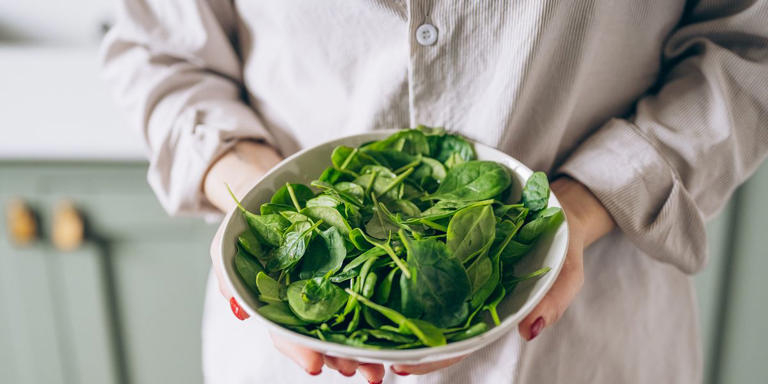
Spinach & Kale: Cooking these dark leafy greens significantly increases the bioavailability of their iron.
-
Swiss Chard & Collard Greens: Other excellent leafy green options.
-
Broccoli: A nutrient-dense vegetable offering iron, Vitamin C, and fiber.
-
Potatoes: Especially in the skin, potatoes provide a meaningful amount of iron.
-
Dark Chocolate: A delicious treat! Choose varieties with 70% cocoa or higher for the most iron and minimal sugar.
-
Tomato Paste: Concentrated tomatoes offer far more iron than fresh ones.
-
Blackstrap Molasses: A sweetener that is surprisingly rich in iron and calcium.
-
Dried Apricots & Raisins: A portable and sweet snack that contributes to your daily iron intake.
Maximizing Iron Absorption: Pro Tips
For plant-based (non-heme) iron, pairing is key. Combine these foods with a source of Vitamin C, which can boost non-heme iron absorption by up to six times.
Powerful Pairings:
-
Lentil soup with a squeeze of lemon juice.
-
Fortified cereal with strawberries.
-
Spinach salad with bell peppers and a citrus vinaigrette.
-
A handful of pumpkin seeds with an orange.
Conversely, be mindful that tannins (in tea and coffee) and calcium (in high-dose supplements) can inhibit iron absorption. Try to consume these between meals rather than with your iron-rich foods.
Conclusion
Fatigue should not be your default state. By understanding the critical role iron plays in oxygenating your body and producing energy, you can take proactive steps to fuel yourself correctly. Incorporating a diverse array of the 22 iron-rich foods listed above—and employing the simple hack of pairing plant-based iron with Vitamin C—can be a game-changer for your energy, mental clarity, and overall well-being. Before making significant dietary changes or if you suspect a deficiency, it is always wise to consult with a healthcare professional for personalized advice and testing. Listen to your body, nourish it with intention, and unlock the vibrant energy you deserve.
Frequently Asked Questions (FAQ)
1. What are the common symptoms of iron deficiency?
Common symptoms include persistent fatigue, weakness, pale skin, shortness of breath, dizziness, cold hands and feet, brittle nails, headaches, and an irregular heartbeat.
2. How much iron do I need daily?
Requirements vary. Adult men and post-menopausal women need about 8 mg per day. Premenopausal women need 18 mg daily due to menstrual losses, and pregnant women require 27 mg. Always check with your doctor for personalized requirements.
3. Can I get enough iron on a vegetarian or vegan diet?
Yes, absolutely. While plant-based (non-heme) iron is less readily absorbed, you can meet your needs by consuming a variety of sources (lentils, beans, tofu, spinach, fortified cereals) and consistently pairing them with Vitamin C-rich foods.
4. Should I take an iron supplement?
Do not self-prescribe iron supplements. Excess iron (iron overload) can be toxic. Supplements should only be taken under medical supervision after a blood test confirms a deficiency.
5. Is more iron always better?
No. The body regulates iron absorption, but excessive intake from supplements can lead to hemochromatosis, a condition of iron overload that can damage organs like the liver and heart.
6. Does cooking in a cast-iron skillet really increase iron content?
Yes, especially when cooking acidic foods like tomato sauce. Small amounts of iron leach from the pan into the food, providing a beneficial boost.
7. How long does it take to correct an iron deficiency with diet?
It depends on the severity. You may start to feel symptom improvement within a few weeks, but it can take several months of consistent dietary changes to fully replenish iron stores.

 Italiano
 English
 Arabic
 French
 Spanish
 Portuguese
 Deutsch
 Turkish
 Dutch
Dutch
 Russian
 Romaian
 Portuguese (Brazil)
 Greek
Greek
