


 Talkfever App
 Global Talk
 Upcoming
 child-safety
 Vdo Junction
The Dietitian's Secret: 6 Unexpected Ways Bananas Boost Your Well-Being
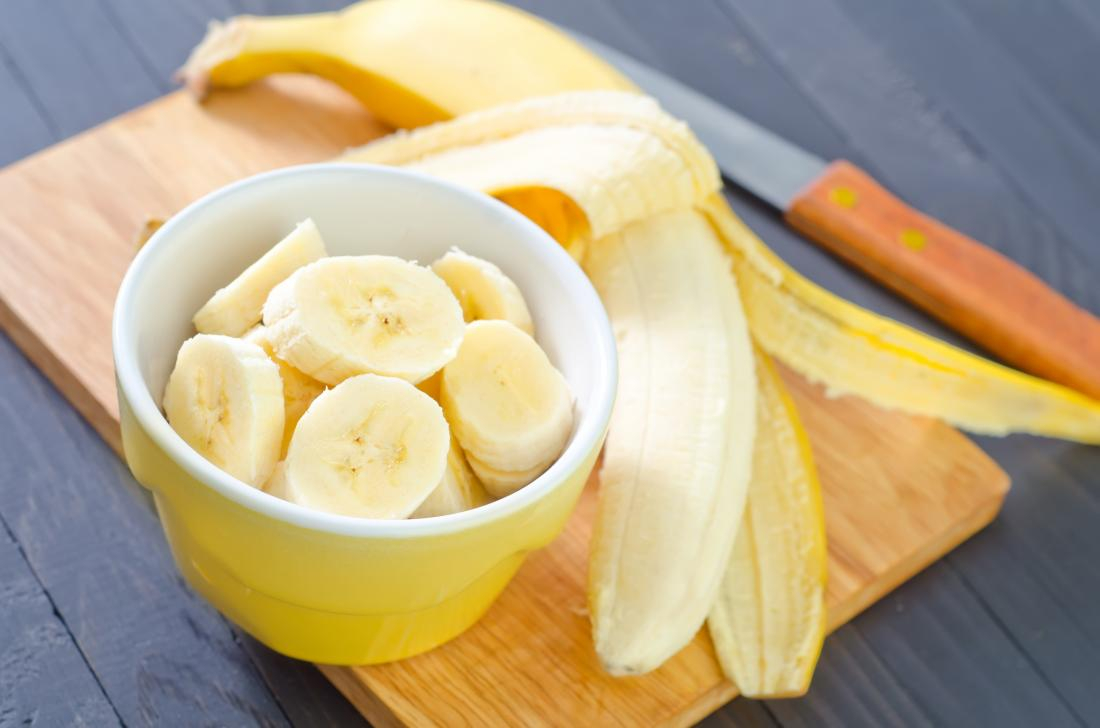
Bananas are a familiar sight in fruit bowls and lunchboxes worldwide, often celebrated for their potassium content and quick energy boost. But what if we told you that this humble fruit holds a treasure trove of health secrets that go far beyond common knowledge? As a dietitian, I often refer to the banana as nature’s original functional food—a powerhouse of benefits that many overlook. Let’s peel back the layers and reveal six unexpected ways bananas can significantly enhance your well-being.
1. The Resistant Starch Advantage: A Gut Health Powerhouse
How it Works:
This benefit hinges on a special type of carbohydrate called resistant starch. As the name implies, it "resists" digestion in your small intestine. Instead, it travels to your large intestine, where it acts as a prebiotic—a food source for the beneficial bacteria in your gut.
Why it Matters:
Think of resistant starch as fertilizer for your gut garden. When your good gut bacteria ferment it, they produce short-chain fatty acids (SCFAs), most notably butyrate. Butyrate is the primary fuel for the cells lining your colon, promoting a healthy gut barrier, reducing inflammation, and may even lower the risk of colorectal cancer.
The Benefit:
A healthier gut microbiome is linked to improved digestion, enhanced immune function, and even better mood regulation. You’ll find the highest amount of resistant starch in greener, less ripe bananas. As a banana ripens and turns yellow, this starch converts into simple sugars, so for this specific benefit, slightly green is the way to go.
2. A Soother for Stomach Distress
How it Works:
Bananas are a key component of the BRAT (Bananas, Rice, Applesauce, Toast) diet for a reason, but their mechanism is more sophisticated than once thought. They are easily digestible and contain pectin, a soluble fiber that helps normalize bowel movement transit time. Furthermore, they help replenish electrolytes like potassium, which can be depleted during episodes of vomiting or diarrhea.
Why it Matters:
Unlike many other fruits, bananas are generally non-irritating to the stomach lining. The combination of pectin and their soft, bland texture makes them exceptionally gentle on an upset digestive system, helping to bind stools and reduce diarrhea.
The Benefit:
They act as a natural, food-based remedy to help you recover from gastrointestinal distress, providing essential nutrients without taxing your system.
3. The Unsung Hero of Heart Health: Beyond Potassium
How it Works:
Yes, bananas are famous for potassium—a crucial mineral for managing blood pressure by counteracting the effects of sodium. However, the heart-health story doesn’t end there. Bananas are also a good source of magnesium, which is vital for maintaining a normal heart rhythm and supporting muscle function, including the heart muscle itself.
Why it Matters:
The synergy between potassium and magnesium is critical for cardiovascular function. A diet rich in these minerals is consistently linked to a lower risk of hypertension, stroke, and atherosclerosis.
The Benefit:
Regular consumption supports long-term cardiovascular health by managing blood pressure and ensuring your heart has the electrolytes it needs to function optimally.
4. A Natural Mood and Mind Regulator
How it Works:
Bananas contain several nutrients that play a direct role in brain health. They are a good source of vitamin B6, which is essential for the synthesis of key neurotransmitters like serotonin and dopamine—the "feel-good" chemicals that regulate mood, sleep, and motivation.
Why it Matters:
The amino acid tryptophan, also present in bananas, is a precursor to serotonin. Furthermore, the magnesium content helps calm the nervous system and can alleviate symptoms of anxiety. The simple carbohydrates provide a quick, yet steady, source of glucose to the brain, combating mental fatigue.
The Benefit:
Reaching for a banana can be a natural strategy to combat the afternoon slump, ease feelings of stress, and promote a more stable, positive mood.
5. The Ultimate Workout Fuel and Recovery Aid
How it Works:
This is a two-part benefit. Pre-workout, a banana provides easily accessible carbohydrates to fuel your muscles, preventing early fatigue. Post-workout, it helps replenish the glycogen stores you’ve depleted and provides potassium and magnesium to aid muscle repair and prevent cramping.
Why it Matters:
The natural sugars (glucose, fructose, and sucrose) offer a mix of quick and sustained energy. Unlike processed sports gels or chews, bananas also come with fiber, vitamins, and antioxidants.
The Benefit:
It’s a cost-effective, whole-food alternative to many processed sports nutrition products, supporting both performance and recovery in one convenient package.
6. The Underrated Ally for Kidney Health
How it Works:
The high potassium content, often cautioned for those with existing kidney disease, can be a protective factor for those with healthy kidneys. Studies have shown that a diet rich in potassium can help the body excrete more calcium in the urine, which may prevent the formation of painful calcium-based kidney stones.
Why it Matters:
Adequate potassium intake helps regulate the balance of fluids and minerals in the body, reducing the strain on the kidneys over the long term.
The Benefit:
For individuals without kidney issues, regular banana consumption can be a simple, dietary strategy to support lifelong kidney health and reduce the risk of kidney stones.
Bananas for All Ages: Kids & Adults
-
For Kids: Bananas are a parent's dream. Their natural sweetness makes them palatable, while their soft texture is safe for young children. The energy and nutrient density support growing bodies and active minds. They are perfect for lunchboxes, as a pre-sports practice snack, or blended into smoothies.
-
For Adults: For busy adults, bananas offer convenience and a spectrum of age-specific benefits. They support heart health as we age, aid in workout recovery, and their mood-boosting properties can help manage the stresses of daily life. The fiber content also becomes increasingly important for maintaining digestive regularity.
Conclusion
The banana is far more than a simple snack. It's a versatile, affordable, and potent functional food that acts as a gut prebiotic, a stomach soother, a heart and kidney supporter, a mood enhancer, and a perfect workout companion. By understanding these "dietitian secrets," you can appreciate this common fruit in a whole new light and intentionally incorporate it into your diet to harness its full, surprising potential for well-being.
Frequently Asked Questions (FAQ)
1. Are bananas too high in sugar?
While bananas contain natural sugars (fructose, glucose, and sucrose), they are packaged with fiber, which slows down the absorption of sugar into the bloodstream, preventing a sharp spike in blood sugar. For most people, bananas are a healthy choice. Those with diabetes should be mindful of ripeness (riper bananas have a higher glycemic index) and pair them with a source of protein or fat, like peanut butter, for better blood sugar control.
2. What's better, a ripe yellow banana or a slightly green one?
It depends on your goal. Green bananas are higher in resistant starch, which is best for gut health and blood sugar control. Yellow, ripe bananas are easier to digest and have higher antioxidant levels, and their simpler sugars are ideal for quick energy before a workout. Both are excellent choices.
3. Can I eat a banana every day?
Absolutely. For the vast majority of people, eating one to two bananas per day is a healthy habit that contributes significantly to your daily intake of potassium, fiber, vitamin B6, and vitamin C.
4. How should I store bananas to maintain their freshness?
Store them at room temperature. To slow down ripening, you can separate them from the bunch at the stem. If your bananas become overripe, don't throw them away! Peel and freeze them for an excellent, creamy base for smoothies or "nice cream."
5. Are the nutrients in a banana the same throughout its ripening process?
No, the nutritional profile evolves. As a banana ripens, its resistant starch converts into simple sugars, and its antioxidant levels increase. The vitamin and mineral content, however, remains relatively stable.

 Spanish
 English
 Arabic
 French
 Portuguese
 Deutsch
 Turkish
 Dutch
Dutch
 Italiano
 Russian
 Romaian
 Portuguese (Brazil)
 Greek
Greek
